Paris and Switzerland Tour Package: How to Plan the Route, Season and Budget
Few itineraries feel as complete as a week that begins with museums and boulevards in one country and ends beside glaciers and lakes in another. A well-built Paris and Switzerland tour package lets Indian travellers see two very different Europes without losing days to transfers, and Travflix designs these journeys around rail, rest and time to enjoy each place. This article explains how to think about the route, the season and the budget so that you can compare options calmly and brief a planner with confidence.
The advice here is general. Fares, schedules, entry rules and prices change often, so confirm current details before you pay for anything.
Why Combine Paris and Switzerland in One Trip
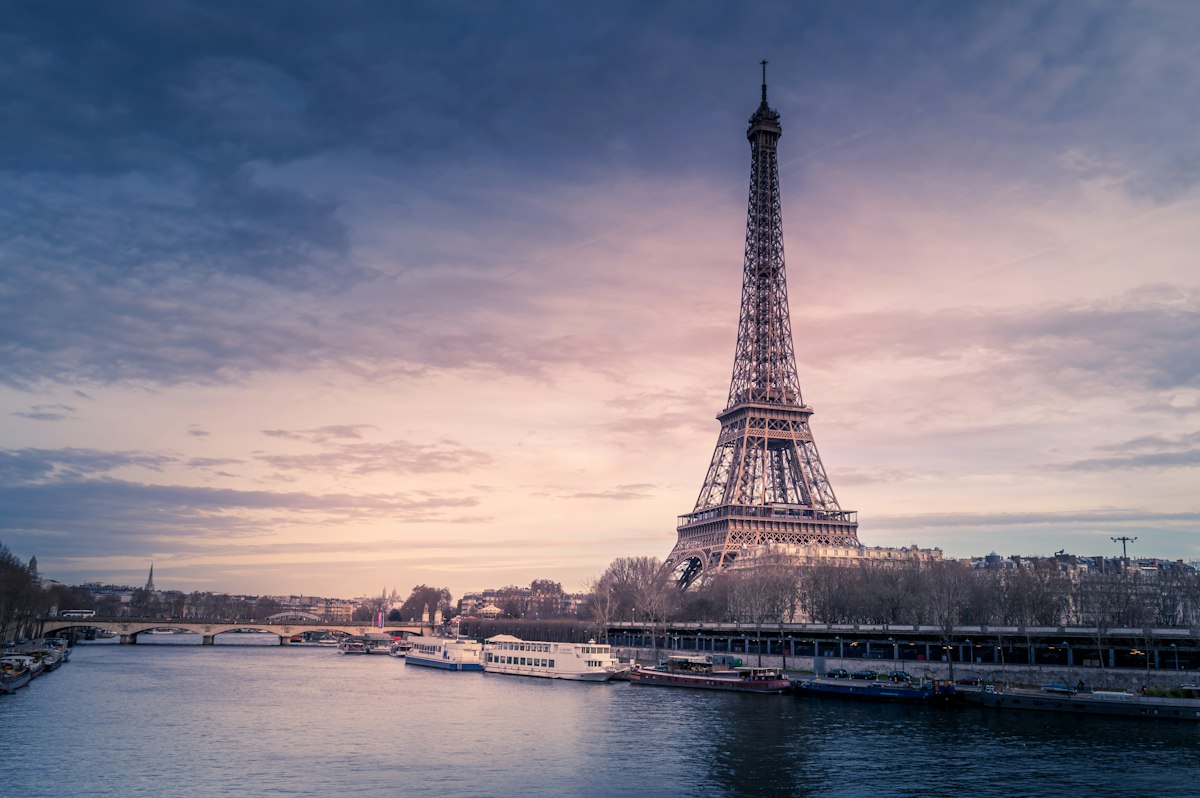
Paris offers architecture, food, art and long walks beside the river. Switzerland offers mountains, lakes and some of the most reliable public transport in the world. The two sit close enough for a comfortable train journey, which makes them natural partners. You can spend the first part of the trip on city life, then trade it for fresh air and scenery once you are ready for a slower pace.
The pairing also suits different kinds of travellers. Couples on a honeymoon enjoy the romance of both places. Families like the variety, with museums and gardens in one country and cable cars and boat rides in the other. Older relatives appreciate that the main distances are covered by train, which is gentler than repeated flights.
A common mistake is to pack in too many cities. Four to five nights in Paris and the surrounding area, followed by five to six nights in two Swiss bases, is usually enough. More stops mean more packing, more transfers and less time to simply sit in a cafe and look around.
Building a Sensible Route
Start by deciding how many nights you really have. A nine-night plan could use three nights in Paris, a day for a major palace or museum outside the city, then a train to Switzerland for two bases such as Lucerne and Interlaken. A longer trip could add a lakeside stop or a scenic rail journey through the mountains.
Choose bases rather than day trips from a single hotel. In Switzerland, staying in two towns lets you explore without long daily returns, and it keeps your luggage moves limited. Check that hotels are close to the station, because a short walk with bags makes a large difference to how relaxed a day feels.
Plan the high-speed rail leg from Paris carefully. Seat reservations are usually needed, so book early for the dates you want, and allow time for check-in and luggage. On arrival, a regional rail pass can simplify travel, but compare it with individual tickets for your actual route before buying.
Leave one or two open afternoons. They let you adjust for weather, which matters in mountain regions where a cloudy morning can clear by midday. Tying every hour to a booking makes the trip fragile.
Choosing the Right Season and Budget
Spring and early autumn are popular because the weather is mild and the crowds are smaller than in peak summer. Summer offers long days and open mountain passes, though prices rise and popular places get busy. Winter brings snow and festive markets, but some high-altitude routes close and daylight is shorter. Match the season to your priorities, not just to your school or office calendar.
Budget conversations should begin with the main costs: flights, accommodation, rail and attractions. Switzerland is expensive for food and transport, while Paris varies widely depending on the district and the hotel category. A transparent quote lists what is included, such as transfers, breakfast, rail tickets and sightseeing entries, and what is not.
It helps to compare two or three plans with the same number of nights and the same hotel category. Differences in price then reflect real differences in inclusions and not just in the length of the trip. Ask how changes are handled, what the cancellation terms are, and who you can call if something goes wrong on the ground.
If you are curious how Travflix approaches slower, more private itineraries in another destination, the guide to planning a luxury India tour that feels slow and private shows the same thinking applied closer to home.
Adding Another Destination or Planning Ahead
Some travellers like to build a second holiday around a very different setting later in the year. A beach trip can balance a busy Europe itinerary, and a well-planned Seychelles tour package usually spreads nights across two or three islands so that you can mix beaches, boat days and quiet evenings. Treat it as a separate trip with its own season and budget rather than squeezing it into the same journey.
For travellers who like to plan around events as well as places, the piece on what to compare before paying for a trade fair package explains how to read inclusions, timing and support in a group booking. The same habit of comparing like with like works for leisure holidays too. And for a different corner of the world, the guide to Japan tour packages from Mumbai shows how to pick days, cities and seasons for a longer-haul journey.
Start planning early. Passports should have enough validity, and visa appointments for Schengen countries can take time, so allow several weeks. Book flights and key hotels once your dates are firm, and keep copies of every confirmation in one folder on your phone and in print. Travel insurance that covers medical care and cancellations is worth the small cost.
Pack for variety. Layers work best, along with comfortable walking shoes, a light rain jacket and a small day bag. Carry a power adapter for European sockets, a card that works abroad and a little cash for small purchases. Download offline maps and keep emergency numbers handy.
Making the Trip Feel Easy
The best holidays feel unhurried, even when they are carefully planned. Build in rest days, keep transfers short and choose a pace that suits the slowest member of your group. A planner who asks about your habits, such as early starts, food preferences and walking comfort, will build a route that you actually enjoy rather than one that looks good on paper.
Before you confirm, read the itinerary slowly and ask three questions: what does a typical day look like, where are the long transfers, and what happens if the weather changes? Clear answers show that the plan was designed with care. Vague answers suggest that you should compare further.
One more point deserves attention: how you will move around once you arrive. In Paris, the metro and walking cover most needs, and a day pass can save time at ticket machines. In Switzerland, trains, boats and cable cars connect smoothly, but timetables change between seasons, so check departure times the evening before each journey. Keeping a short written plan for each day, with the first and last train, makes it easier to relax and enjoy the views instead of worrying about connections.
Finally, think about food and rest. Long days of sightseeing are far more enjoyable when you stop for a proper lunch and return to the hotel for an hour before dinner. Many travellers say that these quiet breaks became their favourite memories of the trip.
If you would like help comparing routes, seasons and budgets for a Europe holiday, you can contact the Travflix team and share your dates and preferences for a tailored suggestion.


Comments
Post a Comment